The reason these stories survived is not that they teach lessons. Plenty of Victorian children’s books taught lessons and nobody reads them now. These survived because they are good stories — and the meaning is load-bearing rather than bolted on.
That distinction matters if you are choosing a book. A story written to deliver a moral tends to be a bad story, and children can smell it. A story with a real plot, where the meaning falls out of what happens, gets asked for again.
Here is what four of them are actually about.
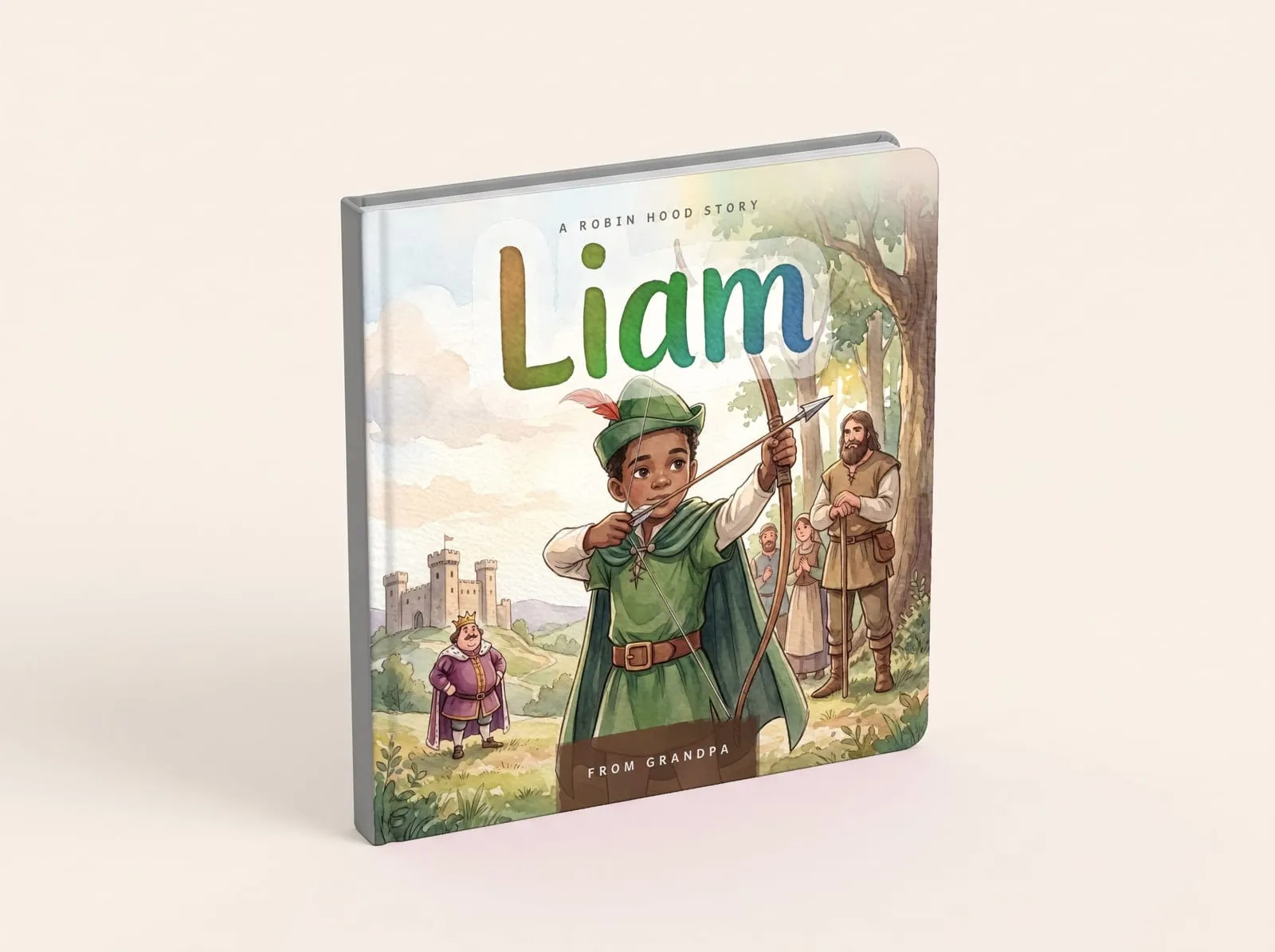
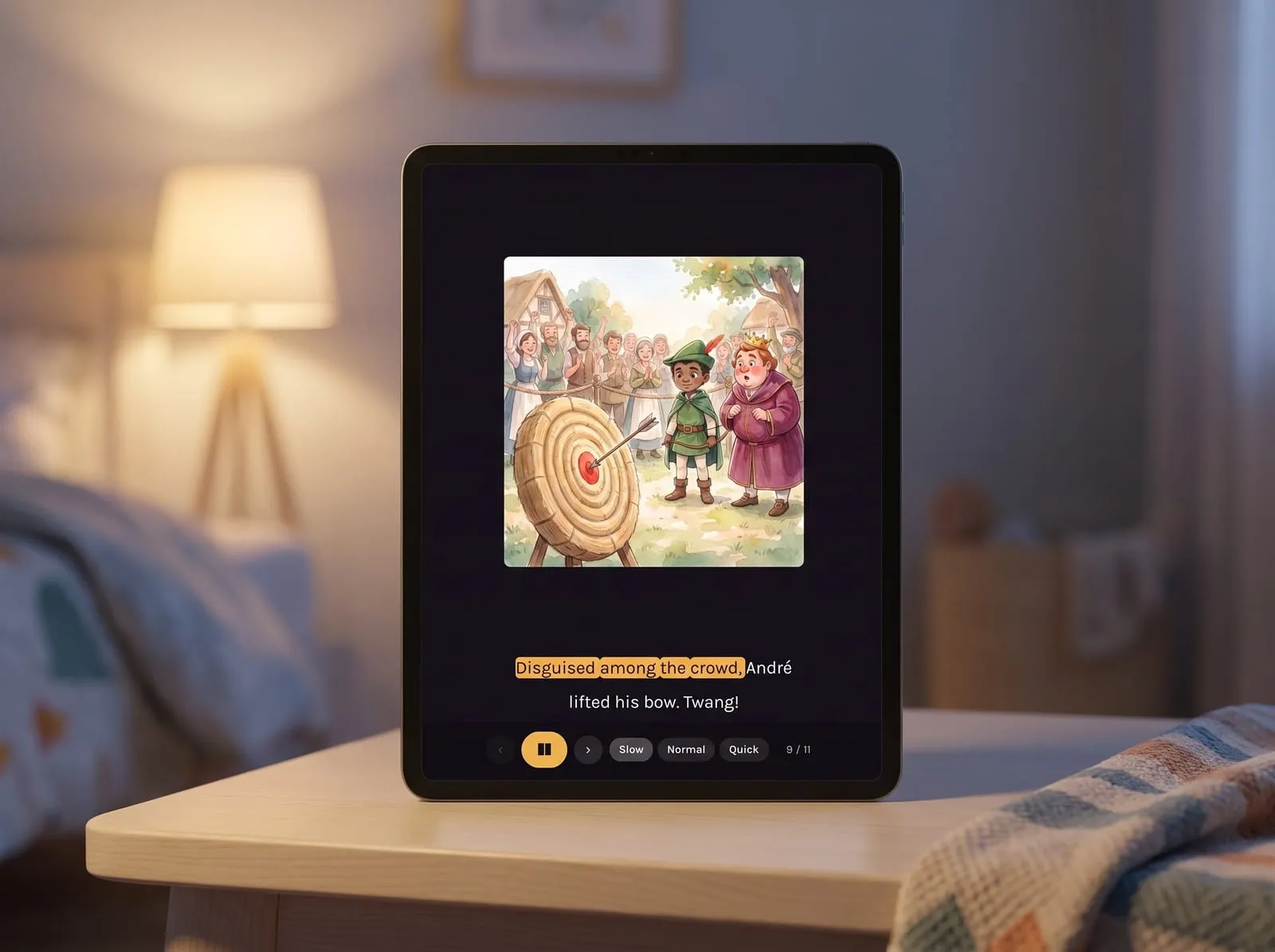
Robin Hood — generosity that costs something
The surface is adventure: hiding in Sherwood, outwitting a sheriff, escaping. Underneath it is a story about giving away things you could have kept.
That is a harder idea than “sharing is nice”, and it is why the story lasts. Robin is not generous with spare things. He is generous with the take, repeatedly, at real risk. A child can follow that.
Worth asking afterwards: When have you shared something that was actually hard to share?
Peter Pan — the pull of not growing up
Neverland is enormously appealing and also, quietly, a bit sad. Peter cannot stay in the nursery and will not leave the island. The story lets a child sit with wanting to stay small and wanting to grow up at the same time, without resolving it for them.
The other thread is responsibility: Peter has followers, and looking after people is tiring in a way he is not always good at.
Worth asking afterwards: What is one thing you can’t wait to be old enough to do?
Aladdin — what you actually want
The lamp is the least interesting thing in the story. The interesting part is that getting what you asked for turns out to be complicated, and that pretending to be somebody grander is exhausting.
For a young child this reads as a story about honesty. For an older one it starts to be about wanting the right things.
Worth asking afterwards: If you had one wish that had to help someone else, what would you wish for?
The Wizard of Oz — you already have it
Three companions, each convinced something essential is missing from them, spend the whole book demonstrating the exact quality they think they lack. The scarecrow solves every problem. The lion does the frightening things.
It is a story about kindness to people who seem unlike you, and about a long walk that does not get shorter because you want it to.
Worth asking afterwards: Everyone thought something was missing from them. What are you already good at?
Reading them the way they were written
One thing worth knowing: the original books are longer and older than most people remember. Barrie’s Peter Pan has long chapters and Edwardian sentences. Baum’s Oz is gentler than the film and quite different in places.
For a three- to eight-year-old, a retelling read aloud usually lands better than the original — but the retelling should keep what the story was about, not flatten it into a lesson.
That is what we try to do. Every book ends with a short After the Adventure section: a few questions drawn from what actually happened, so there is something to talk about that is not a moral.