Search for a personalized children’s book and you will find two quite different things wearing the same label. It is worth knowing which you are buying before you spend forty or fifty dollars on it.
Name-only personalization
The commonest kind. You type a child’s first name, it is substituted into the text, and sometimes onto the cover. The illustrations are fixed — the same artwork ships to every customer.
Some name-only books go a bit further and let you assemble an avatar: pick a skin tone from four options, a hair color from six, glasses on or off. This is still template personalization. You are choosing between pre-drawn parts, and the result is a generic character wearing your child’s approximate coloring.
What it does well. It is instant, it is cheap to produce, and children genuinely like hearing their name in a story. For a young child a name in a book is a real pleasure, and nobody should be sniffy about it.
Where it falls short. Children are not fooled about the picture. A four-year-old knows the drawing is not them. The name lands; the illustration does not.
Photo personalization
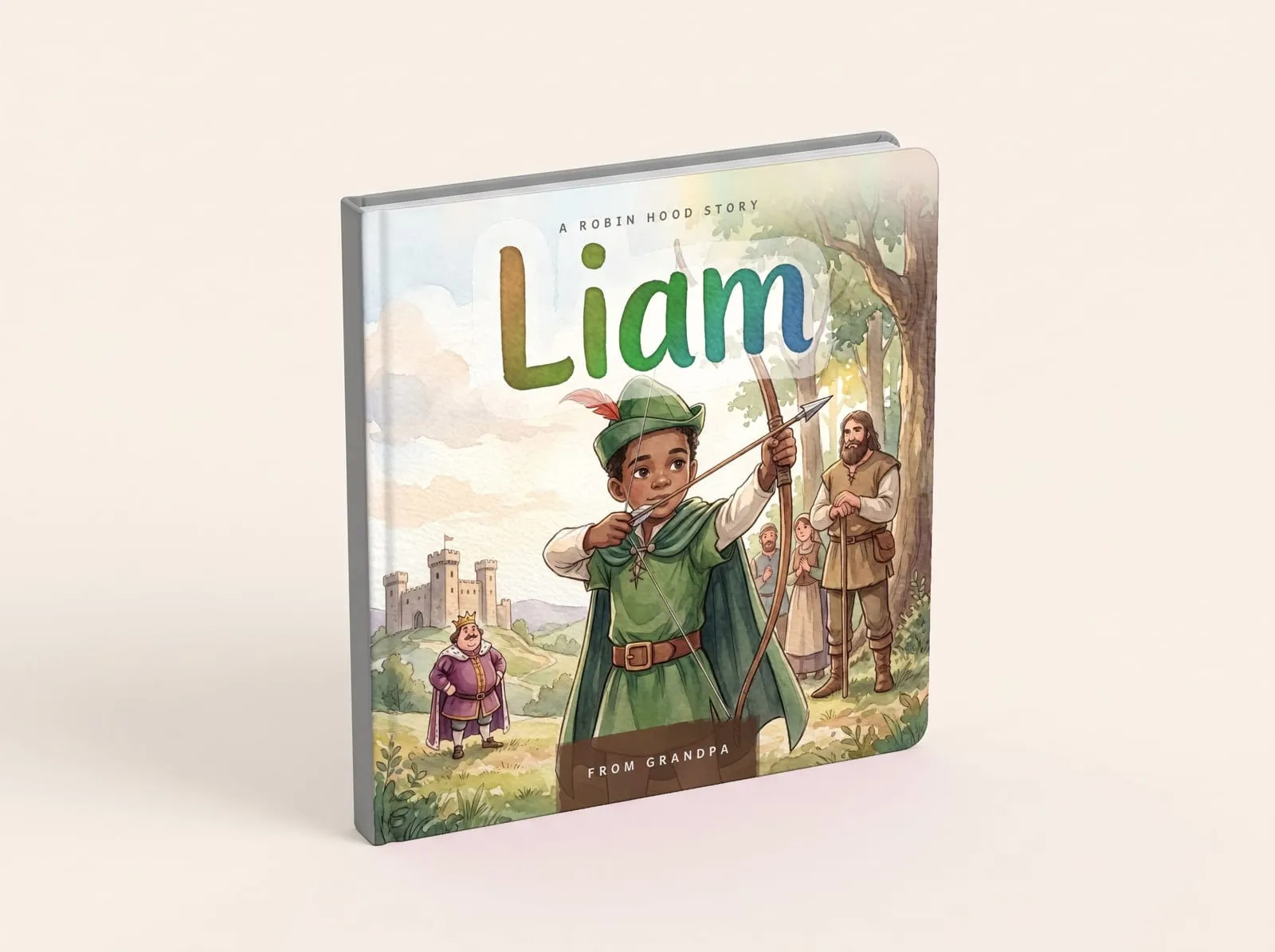
You upload a photograph, and the child in the illustrations is drawn to resemble the child in the photo — the same face, carried through the whole book.
This is a different manufacturing problem. Every book is illustrated per order, which is why photo-personalized books cost more and take longer than name-only ones. It is also why so few companies do it.
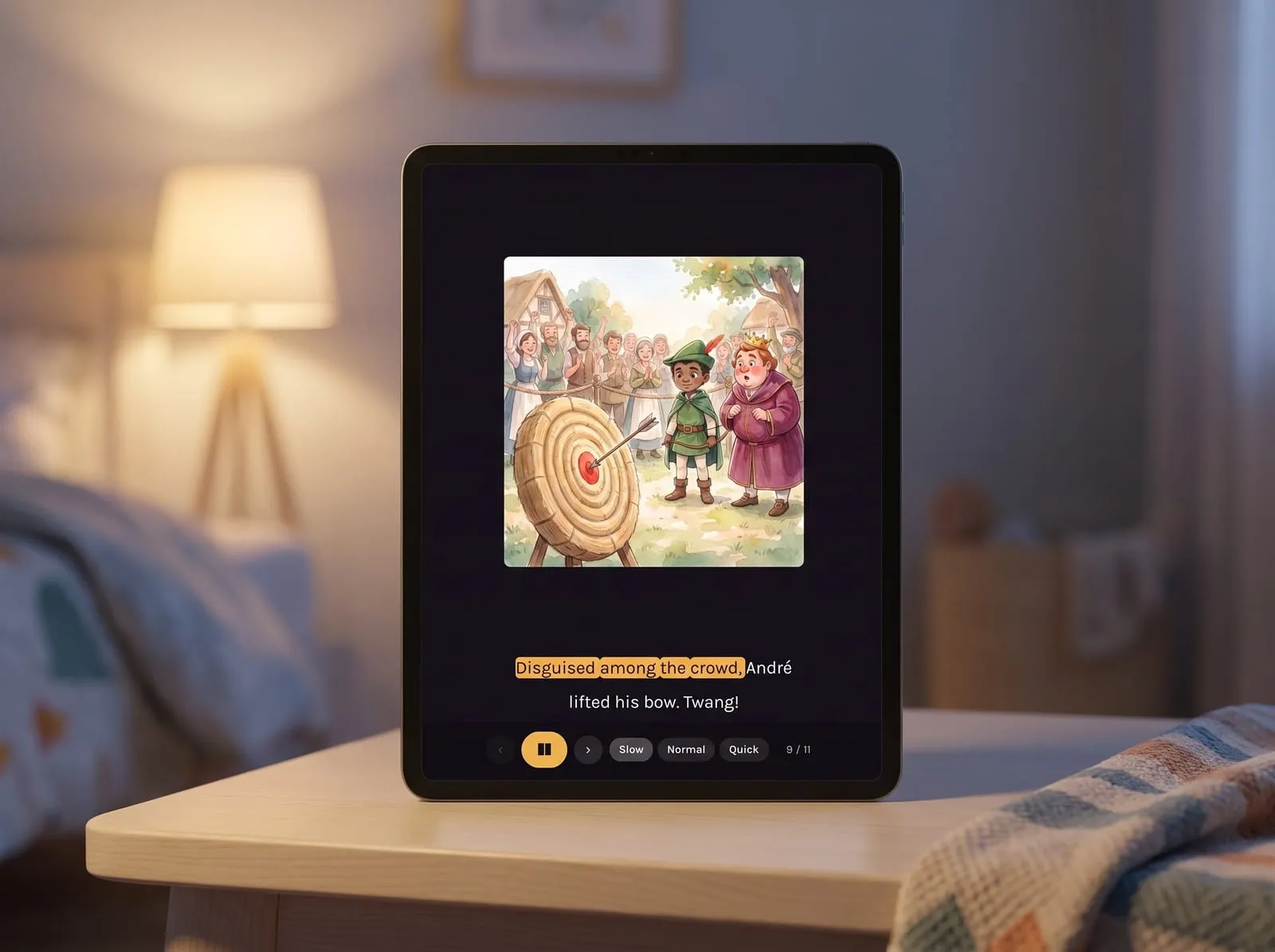
The question to ask any company selling it is not whether they use a photo. It is whether the likeness stays consistent. It is not especially hard to produce one picture that resembles a child. It is hard to produce a dozen where the face is recognizably the same person on page three and page thirty, in one drawing style. A book where the hero’s face wanders is worse than a name-only book, because the child notices.
How to tell them apart before you buy
The marketing language is deliberately similar. Three things separate them:
- Does it ask for a photo, or for hair and skin selections? Dropdowns mean a template.
- Do the sample images show the same child more than once? One flattering sample proves very little. Ask to see several spreads from a single book.
- Can you see the likeness before it prints? If a company is confident about consistency, it will show you and let you reject it. If you only see the book after it arrives, you are carrying the risk.
Which is worth it
If the book is a stocking filler or a party favour, name-only is fine and costs less.
If it is a keepsake — a christening, a first birthday, a gift from a grandparent — the photo version is the one that gets kept, because it is the one where the child can point at the page and say that’s me.
That is the whole difference, and it is worth paying for or it is not. We think it is, which is why our books are illustrated per child rather than assembled from parts. Here is how that works, including what you get to approve before anything is printed.