Companies that sell personalized books, ours included, have an obvious incentive to tell you that seeing themselves in a story makes children read better, feel more confident and do better at school.
We are not going to do that, because we cannot show it. What follows is what can be said honestly.
What is well established
That children respond strongly to recognizing themselves is not controversial. Toddlers are fascinated by photographs of themselves and by mirrors, long before they can read. Attention goes up when the subject is them.
It is also uncontroversial that children ask for the books they like again, and that repeated shared reading is good for them. That part is about as settled as anything in early literacy.
What is much harder to demonstrate is the bit in the middle — that a personalized book specifically, compared to any other book a child loves equally, produces measurably better outcomes. We have not seen convincing evidence of that, and we would be inventing it if we implied otherwise.
What parents actually report
This is anecdotal, and worth taking as anecdote:
- The first reading is different. There is usually a pause, and then some version of that’s me.
- The book gets requested more often than average, at least for a while.
- Children are noticing and specific about the picture. If the character does not look like them, they say so.
- The name matters less than the face. Children like hearing their name, but they are not fooled by a drawing that is somebody else.
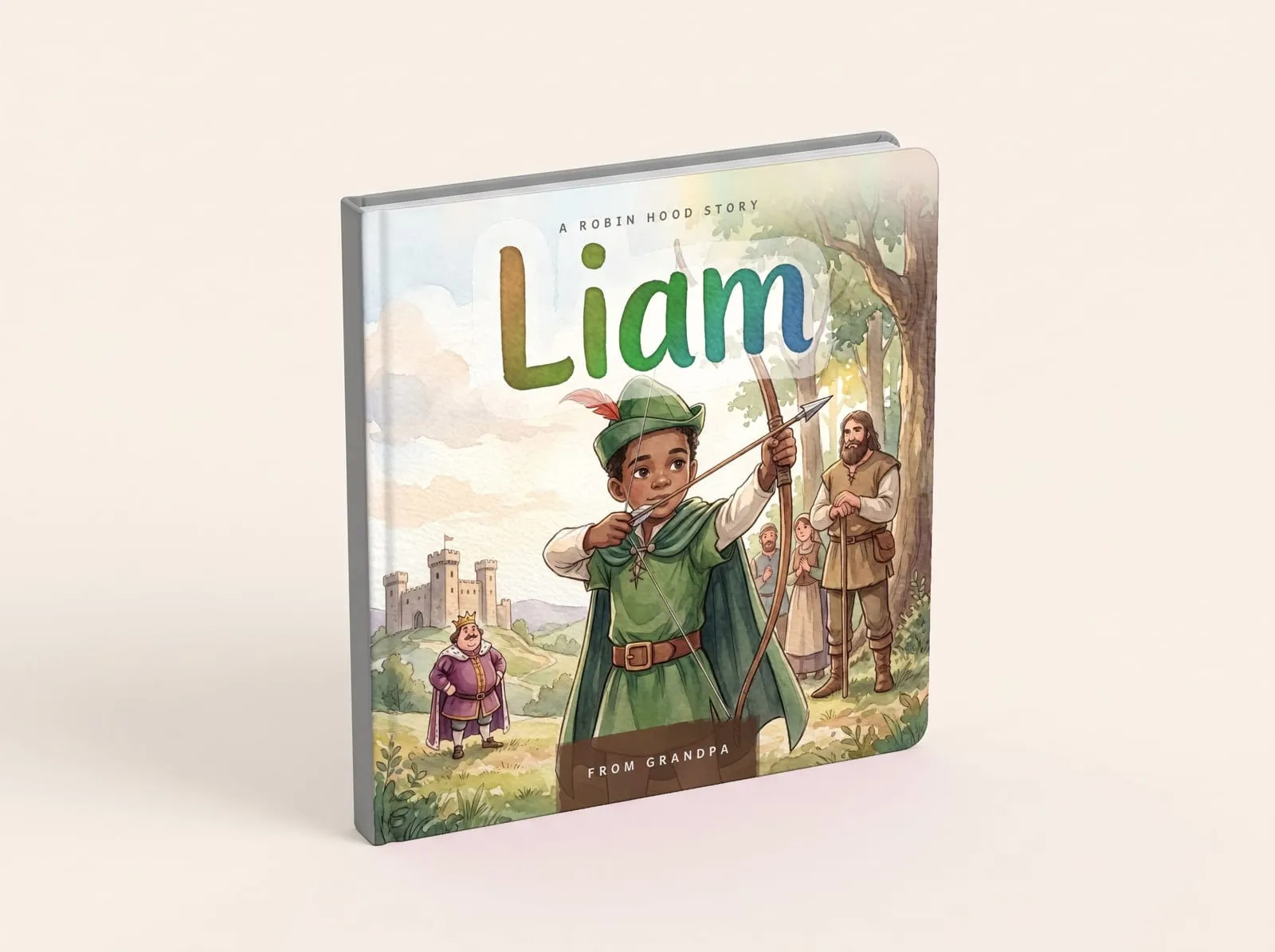
That last point is the one that shaped what we build. A name in a book is pleasant. Being in the book is a different experience, and it is the reason we illustrate from a photograph rather than printing a name into fixed artwork.
The honest case for a personalized book
Not that it will make your child a better reader. It is:
- A book they are more likely to choose, and choosing it is most of the battle.
- A gift that reads as made for you, which is rare and lands hard, especially from a grandparent.
- An object that survives. Personalized books get kept when other gifts do not.
If those are worth $34.99 to you, it is a good purchase. If you want a literacy intervention, buy a library card and read together every night — that is genuinely well supported, and free.
Where the personalization has to be real
If you do buy one, the thing to check is whether the child is really in it: whether the illustrations are made for them, whether the likeness holds across the whole book, and whether you can see it before it prints.